February 7th, 2017

Our team at Northwest Smile Design understands that the sights, sounds and sensations at a dental office can be unsettling for some patients. One effective technique that we use to comfort you is to offer the gas nitrous oxide. Nitrous oxide is a common anesthetic used during many dental procedures.
What is nitrous oxide?
Nitrous oxide is an oxide of nitrogen which has a slight sweet odor and taste. During medical or dental procedures, the gas is mixed with oxygen then inhaled through a mask that covers your nose. Within minutes, you should feel calm and experience an overall sense relaxation. You will be able to breathe on your own, move your limbs, and be conscious enough to hear and respond to our dentist's questions. The effects of nitrous oxide disappear shortly after the mask is removed and the drug is quickly eliminated from your body.
Is nitrous oxide safe?
Recreational use of nitrous oxide for its euphoric effects can be dangerous, however, the drug is combined with oxygen at dental offices. This ensures oxygen reaches the brain and prevents dangerous side effects or hypoxia. Nitrous oxide inhalation is a safe and effective technique to reduce anxiety, produce analgesia, and enhance effective communication.
Nitrous oxide is non-addictive and non-allergic, however, it may cause nausea in up to ten percent of patients. The drug is not recommended for people with some medical conditions such as chronic pulmonary disease. We recognize that all patients are different and encourage you to talk with Dr. Kelly Peterson about whether nitrous oxide would be a good option for you.
Our team wants to help all patients in Marysville, WA to overcome dental anxiety, so please, give us a call at Northwest Smile Design.
January 24th, 2017

You might suspect that your wisdom teeth are starting to emerge, but knowing the signs of impacted wisdom teeth can help you be more proactive about your dental care. Impacted wisdom teeth can be extremely painful and can make your life truly miserable until they are removed. Therefore, looking for the early warning signs listed below, and seeing Dr. Kelly Peterson if you experience them, can help you conquer the problem before it conquers you.
There are three primary signs of impacted wisdom teeth. While every person may not have all three of these signs, you can usually expect to experience at least one of these if your wisdom teeth are impacted.
Unusual Pain
If you are feeling a type of teeth pain you've never felt before, especially when it is focused in the back area of your jaw, this may be a sign that you have a tooth impaction. You may be fortunate enough to catch it early, before all of your wisdom teeth become impacted, if you see Dr. Kelly Peterson as soon as you feel the pain.
Swollen Jaw
If your jaw is suddenly swollen and the area feels tender to the touch, you have a high chance of having an impacted tooth. Since the wisdom teeth are set so far back in your jaw, the swelling tends to show itself low in the jaw, towards the ears, when they are impacted.
Bleeding Gums
If your gums are bleeding, something you may notice when you see a pink or red tinged toothbrush, you may be dealing with a wisdom tooth issue. When the wisdom teeth are impacted, they put a lot of pressure on your back teeth and gums, which often leads to bleeding.
Visit our Marysville, WA office as soon as possible if you have any of the above signs of impacted wisdom teeth. The sooner you get treatment, the sooner the pain will be behind you for good!
January 17th, 2017

Dr. Kelly Peterson and our team at Northwest Smile Design will tell you that good oral health habits when you are pregnant are very important. A plaque or infectious buildup can affect the baby in gestation, and cause some unforeseen issues during birth. There are a few steps relating to oral health that can help prevent complications and other pregnancy issues. Here are a few things to consider about oral health when you are expecting.
Proper brushing
Brushing your teeth at least twice a day is essential when you are pregnant. This will peel away any buildup that you have on your teeth, and help create a shield against future buildup. Swallowing large amounts of plaque or bacterial buildup can and will affect the gestation of the fetus, and can cause certain complications.
Floss
Flossing will also help remove a lot of the buildup in your teeth that can promote infection. Make sure you floss at least once a day. Bacterial infections fester on food buildup, and certain destructive viruses can also breed and grow on these remnants.
Morning sickness
The acidity of vomit can erode the enamel on your teeth, and create buildup of damaging particulates in your teeth. If you are experiencing regular morning sickness, rinse your teeth with a mixture of baking soda and water. This will remove buildup, and alleviate some of the acidity from the vomit.
Alcohol-free, antimicrobial mouthwash
Regardless of whether you are trying to or not, you will swallow small amounts of your mouthwash. Alcohol can affect your gestating baby. Use an antimicrobial, alcohol-free mouthwash.
Visit the dentist
If you have any dental issues, please give us a call at our convenient Marysville, WA office away. We will be able to diagnose and treat any oral health issues immediately, and make sure they do not affect your developing child. Protecting your baby includes protecting your oral health.
January 10th, 2017
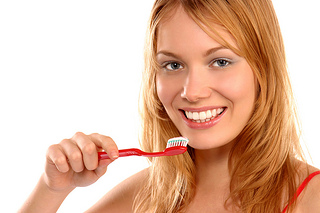
Looking back at childhood photos, you may notice picture after picture of yourself with a mouthful of shiny white teeth. When you look in the mirror today, you wonder what happened to that beautiful smile. Many adults struggle with tooth discoloration and find it embarrassing to show off their teeth in a smile. Once you identify the cause of your tooth discoloration, there are treatment options at Northwest Smile Design that can restore your teeth and your confidence.
What Causes Tooth Discoloration?
There are a host of factors that may cause your teeth to discolor. Some are directly under your control, and others may not be preventable. Here is a list of common reasons that teeth become discolored.
- Genetics: Much of your dental health is determined by genetic factors beyond your control. Some people naturally have thinner enamel or discolored teeth.
- Medications: Several medications lead to tooth discoloration as a side effect. If you received the common antibiotics doxycycline or tetracycline as a child, your teeth may have discolored as a consequence. Antihistamines, high blood pressure medications, and antipsychotic drugs can also discolor teeth. If you think a medication may be leading to tooth discoloration, talk to Dr. Kelly Peterson. Never discontinue the use of a medication without consulting your doctor, however.
- Medical Conditions: Genetic conditions such as amelogenesis or dentinogenesis cause improper development of the enamel, and can lead to yellowed, discolored teeth.
- Poor Dental Hygiene: Failing to brush your teeth at least twice a day or regularly floss may lead to tooth decay and discoloration.
- Foods and Tobacco: Consumption of certain foods, including coffee, tea, wine, soda, apples, or potatoes, can cause tooth discoloration. Tobacco use also causes teeth to turn yellow or brown.
Treatments for Tooth Discoloration
There are a variety of treatments available to individuals with discolored teeth. One of the easiest ways to reduce tooth discoloration is through prevention. Avoid drinking red wine, soda, or coffee and stop using tobacco products. If you drink beverages that tend to leave stains, brush your teeth immediately or swish with water to reduce staining.
After determining the cause of tooth discoloration, Dr. Kelly Peterson can suggest other treatment options. Over-the-counter whitening agents might help, but in-office whitening treatments provided at our Marysville, WA office would be more effective. When whitening agents do not help, bondings or veneers are among the alternative solutions for tooth discoloration.
If you are worried about your teeth becoming yellow or brown, think carefully about your diet and medication use. Talk to Dr. Kelly Peterson to identify substances that may be causing the problem. After treatment for tooth discoloration, you will have a beautiful white smile you can be proud to show off.






 Website Powered by Sesame 24-7™